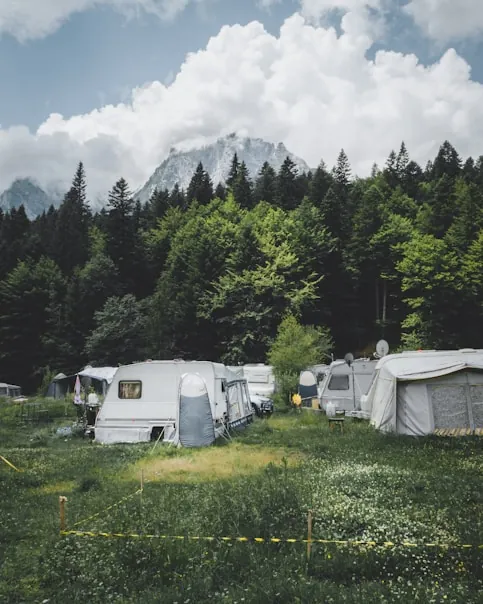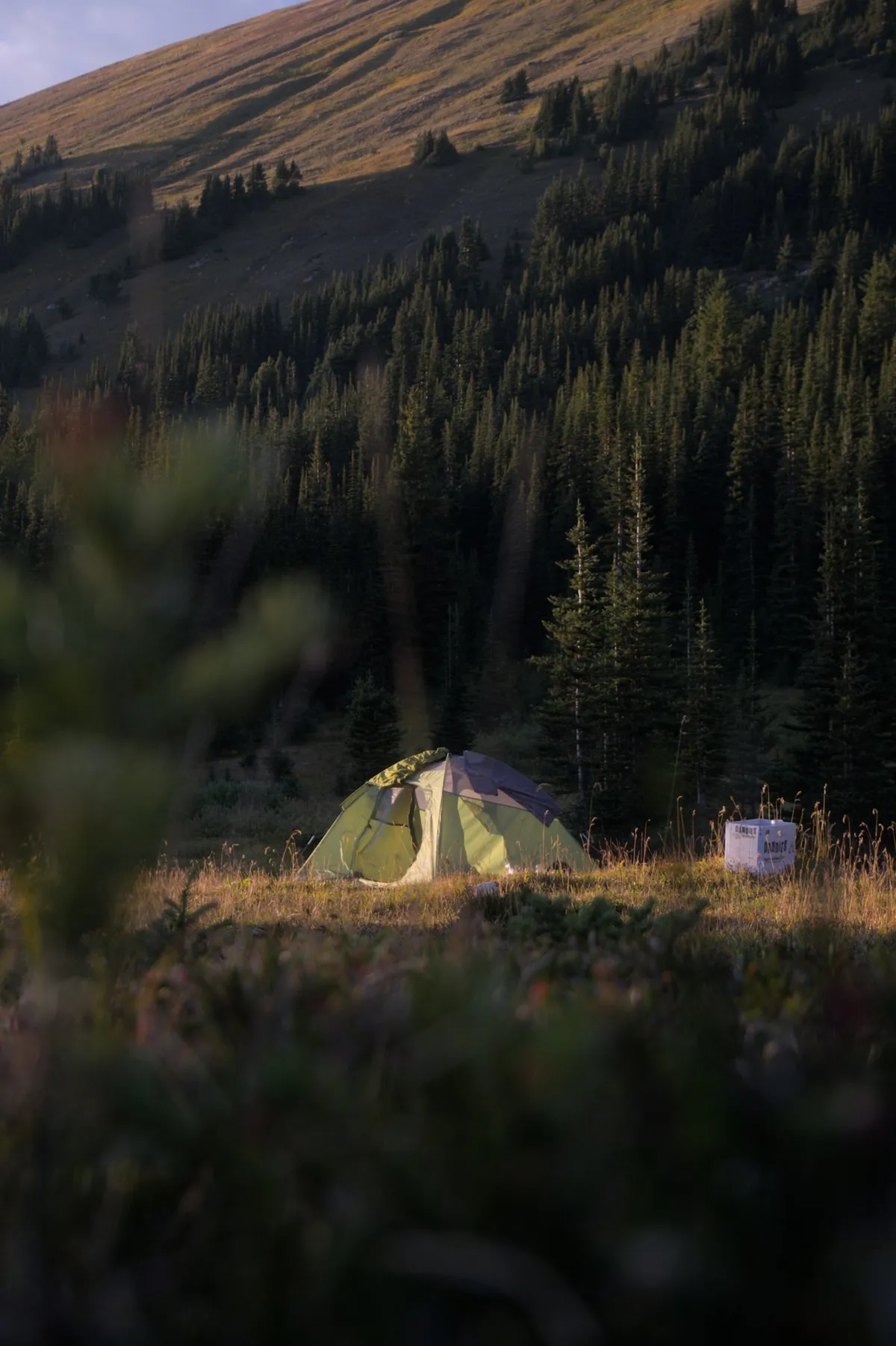

Camping safety begins with site selection. Choose level ground away from dead branches that could fall. Keep campsites at least 100 feet from water sources to protect aquatic ecosystems and avoid surprising animals at drinking spots. Avoid camping in gullies where flash floods are possible.
Food storage is critical for wildlife protection and personal safety. Use bear canisters, bear bags, or communal bear boxes to keep bears and other wildlife away from camp. Never cook near sleeping areas. Keep a clean camp free of food residue. Make noise while hiking to avoid surprising bears; they want to avoid you as much as you want to avoid them.
Fire safety requires attention. Use established fire rings when available. Keep fires small and manageable. Never leave fires unattended. Ensure fires are completely extinguished before sleep or departure; drown flames with water and stir ashes. Campfire safety protocols protect forests and prevent devastating wildfires.
Weather preparation prevents emergencies. Check forecasts before departing. Know how to recognize signs of hypothermia and heat exhaustion. Prepare for rapid condition changes in mountains where weather can shift dramatically. Proper clothing and shelter preparation address seasonal hazards.