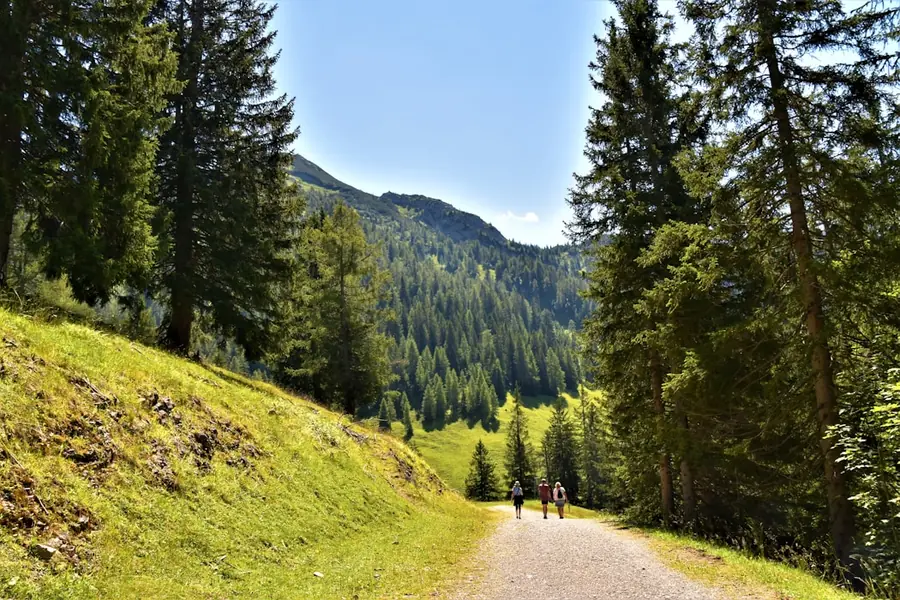

Mastering the Trail: Beyond the Basics
Ready to push past beginner trails and take on more challenging terrain? Advanced hiking demands more than just physical fitness. It requires smart navigation, proper gear selection, and a deep respect for the environment you’re moving through.
Reading the Terrain
Experienced hikers learn to read the land before committing to a route. Look for signs of recent water flow, unstable rock formations, and changes in vegetation that signal altitude shifts. Topographic maps remain invaluable, but pair them with a reliable GPS device as backup.
Pacing and Energy Management
One of the biggest mistakes intermediate hikers make is starting too fast. On long, elevation-heavy routes, adopt a steady pace you can maintain for hours. Take short breaks every 45 to 60 minutes rather than long rests that let your muscles cool down and stiffen.
Gear That Makes the Difference
Trekking poles reduce knee strain on descents by up to 25 percent. Invest in moisture-wicking base layers rather than cotton, and always carry a lightweight emergency shelter regardless of the forecast. Weather in mountainous terrain can change within minutes.
Leave No Trace at Every Level
Advanced hikers should model best practices. Pack out everything you bring in, stay on marked trails to protect fragile alpine ecosystems, and keep noise levels low to minimize impact on wildlife. The trails we protect today are the ones future hikers will enjoy.